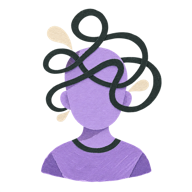
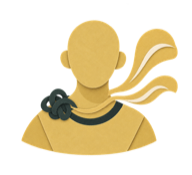
These feelings are reading cues. They can overlap, change, and differ from your own.
I felt completely in danger just days before the lockdown began. When the restrictions finally fell, I wasn't just confined to my home; I was taken hostage. I knew I had no choice left. The situation was about to shift from bad to catastrophic, and I had to make a decision immediately to get to safety.
We had been married for two years, but my husband had been living abroad. He only joined me in France in September. That was when the nightmare started. From that moment on, I was under his control in every way. It didn't start with a punch. It started slowly, with verbal violence. He was extremely aggressive and brutal. He was also incredibly possessive.
I realized I was a hostage the moment the lockdown began. I had to wait for him to collapse from alcohol before I could finally leave, carrying only the clothes and papers I had secretly…
He would search through my phone. His specialty was waking me up in the middle of the night, ensuring I never got a full night's sleep. He took my credit card. He drank every single day. The violence inside him grew, expanding until it became physical. One day, he threw a bottle at my face. He tore apart everything in the living room. In that moment, I knew I was his next victim.
### The Cycle of Apologies and Denial
Even in the brief moments of calm, when he wasn't drinking, we couldn't have a real conversation. The next day after a crisis, I would try to explain things calmly. But there were only two scenarios. First, he would say, "I'm sorry, forgive me, you're right. Don't blame me, I'll try harder."
But if I held my ground and asked him to respect boundaries, he would switch back to aggression. "That's not true," he would say. "You're imagining things. You're crazy." There was no stability in our discussions. He would deny reality, and I would be left questioning my own memory.
### The Strategy of Silence
When I realized I was in danger, I knew I had to organize my departure carefully. I couldn't just leave. If I walked out without my papers, he would have access to everything, and I would be locked out with nothing. I needed to secure my belongings first.
I started a secret strategy. I would wait until he was asleep or passed out from alcohol. Then, I would quietly take my documents, clothes, and essentials and hide them at a friend's house. I couldn't make calls from inside the apartment. I would hide in stairwells or building lobbies where I knew the codes, just to make phone calls. I never called the authorities directly. I used friends to relay information and guide me on what to do.
I managed to get an exemption permit from the police station so I could leave legally. But I had to wait for the right moment. During the lockdown, he drank 24 hours a day, day and night. There was no time when he was sober.
### The Escape
A few days before the lockdown officially started, I had fled to a friend's house just to make calls and gather information. But I returned on the 16th, and that evening, I was trapped. I knew that being with him 24/7 while he was drinking would only take a few days before things turned deadly.
On the day I left, he had started pushing me physically and brutalizing me verbally again. I woke up at 7 a.m. and he was already drinking. He continued all day. I realized it was now or never. I knew he would collapse from the alcohol. At 4 p.m., he finally fell asleep.
That was my moment. I left.
### The Aftermath
After I left, he tried to find me. At first, he demanded his dog return home. He accused me of not fulfilling my role as a wife, asking why I had left him alone during this period. When I held firm, he switched tactics again. He apologized, asking for forgiveness. Then, he would switch back to accusing me, claiming he did nothing wrong and that I was the one who was crazy. This cycle continues to this day.
Leaving didn't bring instant relief. I was in a state of shock. I had endured six months of fear and brutality. My sleep had been destroyed, and I was constantly on edge. Even when I was safe, I still heard the noises in my head. I had panic attacks. It took time to feel physically and morally relieved. I was disoriented.
Now, almost two months later, I am out of his grip. I see things clearly. I know I reacted at the right time. I know I was lucky. I feel no guilt and no regret. I only regret the time I wasted investing in something that was lost from the start. I am finally free.
This story describes one person’s experience. It does not diagnose anyone, and similar situations may not have the same meaning.